




 Industry Leading Guarantees
 7 Day Returns Policy
 Safe & Secure Checkout
Roof Window Buying Guide
So.. you’re going through the nitty and gritty of your latest construction project, maybe it’s an extended kitchen or you’re converting your dark and dingy loft into a bright and glorious bedroom. You may come to the realisation that you would like some daylight in your new or extended room, and you might be questioning what your best option is.
If your latest construction project consists of a roof structure, then it may surprise you to know that roof windows can let in up to twice as much light as vertical windows of the same size and can be extremely important if your roof is north facing as roof windows may be the only suitable option for allowing daylight into that room.
Too Much or Not Enough
The next question is what size should you go for. An experienced roofer will be able to tell you how much space you have between the trusses, which will ultimately tell you how big your roof window can be. However, it is easy to go too small and not get enough daylight or go too large and be blinded by it at certain times of the day.
Of course, each option can be remedied. If your window is too small, there is always electrical lighting that can be used and if it is too large, you can always look at implementing blinds. At AC Supplies, we believe that it is better to have and not need than to need and not have. If your roof window is too small and you resort to using artificial lighting, then surely that defeats the point of having a roof window in the first place?
Luckily, in the real world, there are ways of determining how big your roof window needs to be to light up that room without burning your eyes every time you enter it. A commonly used method is the below table:

This table lists the glazed area of each roof window and may give a clear indication as to how much light you would like in your room. However, if you find that you have too much once your project has been completed, there is always the option of blinds. Check out our blinds buying guide for more information.
Top or Centre?
The next aspect that needs to be considered is the window’s opening mechanism and this decision is largely taken based on actual requirements rather than preference if you need to take your budget into consideration. If budget isn’t an issue then it is purely down to personal preference, however, if you are constrained by costs, you need to know the benefits to ensure you are purchasing the right window for your project.
A top hung or high pivot roof window commonly costs more than a centre pivot roof window but carries additional benefits. Top hung roof windows are beneficial if you would like fully uninterrupted views or you require a means of escape as part of regulations.
Centre pivot roof windows carry their own benefits over top hung roof windows, which include lower costs, options of electric and solar operation as well as a wide range of accessories that are compatible with this opening mechanism.
If you are considering a top hung window but you are worried about cleaning the outside pane, fear not. Take a look at our blog that explains how you can achieve this in 10 simple steps.
Material Girl
We aren’t saying you must go all Madonna on the process, but choosing the right inner finish on your roof window is one of the most important tasks because a. Some materials are best suited for certain rooms and b. Once you have determined the material you require, this then opens the conversation of which brand you may go for.
When it comes to roof windows, there are 4 different types of internal finishes: pine, white painted pine, PVC and polyurethane. Pine finish is a very popular traditional internal finish and could be very well situated in rooms with a rustic finish. White painted pine is simply a pine roof window with water-based white paint and has become the most popular internal finish in the market, falling in line with the neutral and contemporary colours in a lot of people’s homes.
PVC and Polyurethane are often mistaken for each other and whilst they consist of a plastic internal finish, they do differ structurally. Polyurethane windows, most notably found in the VELUX range, consist of a wooden internal structure and a plastic coating, whilst PVC windows have a steel core instead. Whilst both ultimately offer similar benefits, it is important to know the difference, should you ever need to.
In order to determine which of these internal finishes is best for you, one of the key questions is.. Where is the roof window going to be installed? Whilst there are no rules saying you can’t add a pine finish roof window into a modern home, it is worth noting that implementing one of these roof windows in a kitchen or bathroom will require extra maintenance, due to the humidity and moisture commonly found in these rooms. Lack of maintenance can cause aesthetic issues with these roof windows and if not looked after properly, could be subject to rot.
In these instances, a PVC or polyurethane roof window would be best suited. Due to the plastic internal finish, these types of roof windows have been described as low maintenance and any moisture or humidity has no effect on the roof window itself when compared to its pine and white painted counterparts. These particular roof windows are also suitable candidates when installed out-of-reach, due to the low maintenance internal finish.
Rose Tinted Glasses
Of course, we don’t supply roof windows with rose tints, but having an idea of what you need from your roof window can also be important in your decision-making process and is something that isn’t always considered, unless it is required.
Sometimes, the project needs to follow strict guidelines, and these usually refer to thermal efficiency. Whilst all roof windows supplied at AC Supplies comply with the standard guidelines, individual projects may require the window to have a little more going for it.
It is fair to say that the standard laminated inner glazing from VELUX or the toughened outer glazing from RoofLITE+ are the most common options, but there are more glazing options available should you need it.
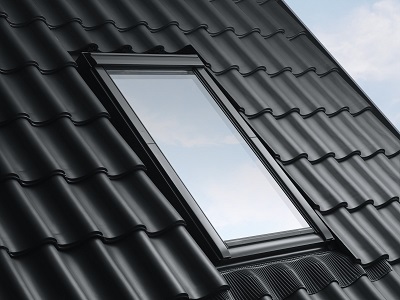
For example, if you require the u-value (thermal efficiency) of your roof window to be 1.0, then the 66 pane from VELUX would be a solid option. If you live in a noisy area, then the VELUX 62 pane might bring some peace and quiet to your home. If you require a roof window that is suitable for just everyday life, then you may opt for a RoofLITE+ roof window. Understanding what your requirements are goes a long way to finding the perfect roof window and ultimately, ensuring that you aren’t spending more money than you need to.
Will That Be All Today?
At this point, you may start to have a good idea as to what kind of roof window is best for you and your project, but there are other little things to consider, mainly referring to accessories or extras.
If you are looking for something a little fancy and like the idea of opening your windows at the touch of a button, then the VELUX INTEGRA range may be perfect for you. Available in electric and solar powered, these are perfect for those windows that are installed out-of-reach or if you are one of those people that get comfy easily and wish to embrace it rather than getting up and down all the time to open and close your roof window.
If the idea of electric or solar powered roof windows doesn’t tickle your fancy but your roof windows will be installed out of reach, then a telescopic pole may just do the trick for you. Not only are telescopic poles easy to use, but they are also budget friendly, with a max price of £25. Available for both RoofLITE+ and VELUX windows.
Whilst our buying guides have been created to advise those who aren’t sure which roof window is best for them, it is understandable that more detailed and in-depth questions may need to be asked. For that we have a helpful sales team, who are more than happy to help with an enquiry that you have. Contact us via telephone, e-mail or live chat and we can help make your project dream, a reality.